
Honda CM 250 C Overview
Detailed review, features, and everything you need to know
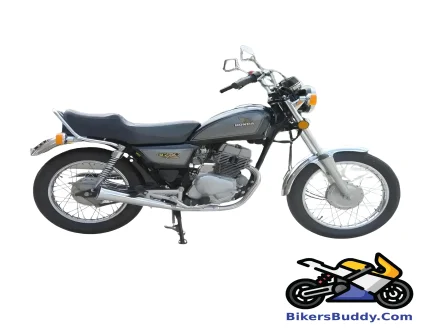
Honda CM 250 C Overview
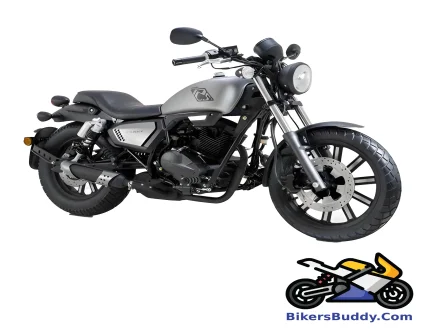
The Honda CM 250 C is a classic custom cruiser motorcycle produced mainly between 1982 and 1984. It features a 234 cc air-cooled, four-stroke parallel twin engine delivering around 17 HP, making it a light and manageable bike ideal for beginners and city riders. The bike was assembled in Japan and is available in Bangladesh through importers and vintage bike dealers. It suits riders who want a stylish, vintage cruiser with easy handling and moderate power. The price in Bangladesh varies depending on condition and availability, with moderate registration and insurance costs.
Frequently Asked Questions
Honda CM 250 C Similar Bikes
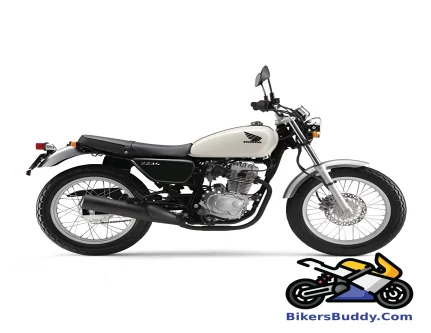

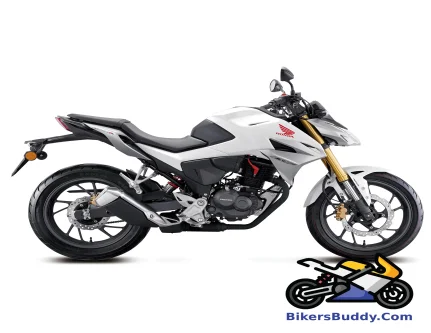
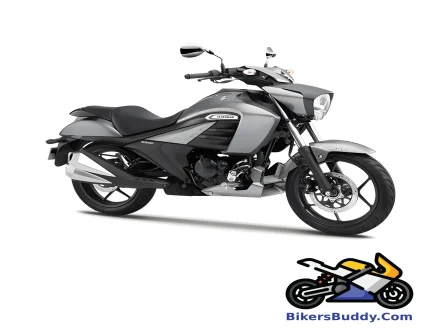
More About Honda CM 250 C
Honda Showrooms & Service Centers
Find authorized dealers and service centers near you for the best Honda CM 250 C experience
Nationwide Dealer Network
Honda maintains an extensive network of authorized showrooms and service centers across Bangladesh. From major cities to smaller towns, you'll find professional support for your Honda CM 250 C.
Why Choose Authorized Dealers?
- Genuine parts guarantee
- Factory-trained technicians
- Warranty service coverage
- Quick service turnaround
- Professional customer support
- Test ride opportunities
Major Service Locations
Find Honda showrooms and service centers in these major cities:
Find Nearest Dealer
Locate the nearest Honda showroom or service center for:
- Test rides and demonstrations
- Scheduled maintenance
- Genuine parts and accessories
- Technical consultation
Honda CM 250 C Ownership Experience
Real insights from Honda CM 250 C owners across Bangladesh
Owner Satisfaction Highlights
Fuel Economy Excellence
Average 22 kmpl km/l reported by owners
Maintenance Reliability
Honda known for low maintenance costs
Resale Value
Strong resale value retention in Bangladesh market
Community & Support
Honda Community
Active owner groups and clubs across Bangladesh provide support, organize rides, and share maintenance tips.
Customer Support
Responsive customer service with dedicated helplines and online support channels for quick assistance.
Owner Education
Regular workshops and maintenance clinics help owners maximize their motorcycle's performance and longevity.
Events & Rallies
Annual owner gatherings and rallies strengthen the Honda community nationwide.
Honda CM 250 C Investment Analysis
Understanding the total cost of ownership and long-term value
Cost Breakdown
Annual Expenses
Value Retention
Investment Summary
The Honda CM 250 C offers excellent value with strong resale retention and reasonable operating costs.
Total 5-year ownership cost approximately: ৳490,723
Honda CM 250 C Technical Deep Dive
Engineering excellence and technical innovations explained
Engine Technology
Engine Displacement
The 234 cc engine strikes the perfect balance between power delivery and fuel efficiency for Bangladesh roads.
Power Delivery
Optimized engine mapping ensures smooth power delivery across the RPM range, perfect for city traffic and highway cruising.
Cooling System
Efficient cooling system designed to handle Bangladesh's tropical climate while maintaining optimal engine temperature.
Emission Standards
Meets stringent emission norms while delivering excellent fuel economy for environmentally conscious riders.
Chassis & Suspension
Frame Design
Engineered frame provides optimal rigidity and weight distribution for stable handling on various road surfaces.
Suspension Setup
Carefully tuned suspension absorbs road imperfections while maintaining rider comfort and handling precision.
Braking System
Advanced braking technology ensures confident stopping power in all weather conditions common in Bangladesh.
Wheel & Tire
Optimized wheel and tire combination provides excellent grip, stability, and mileage for local road conditions.
Honda CM 250 C vs Competitors in Bangladesh
How does the Honda CM 250 C stack up against similar motorcycles in its segment?
Competitive Positioning
In Bangladesh's competitive motorcycle market, the Honda CM 250 C distinguishes itself through a combination of balanced performance and reliable build quality .
Key Competitive Advantages
Performance Edge
Superior power delivery in the 234 cc segment with optimized torque curve.
Value Proposition
Competitive pricing at ৳179,000 offers strong feature-to-price ratio compared to rivals.
Fuel Efficiency
Industry-leading mileage of 22 kmpl km/l sets benchmarks in its category.
Build Quality
Honda engineering ensures long-term reliability and lower maintenance costs.
Segment Performance
Explore Alternatives
Honda CM 250 C Final Verdict
Our comprehensive assessment and recommendation for Bangladesh riders
Our Professional Assessment
The Honda CM 250 C represents Honda engineering adapted for Bangladesh's unique riding conditions, offering a compelling package of performance, efficiency, and value.
Why We Recommend the Honda CM 250 C
Strengths
- Excellent fuel economy (22 kmpl km/l)
- Competitive pricing at ৳179,000
- Strong dealer network and service support
- Proven reliability in local conditions
- Good resale value retention
Considerations
- Consider test riding alternatives in similar price range
- Factor in personal riding style and needs
- Evaluate financing options for best deals
- Plan for additional accessories budget
- Consider seasonal promotions and offers
Expert Recommendation
Who Should Buy: The Honda CM 250 C is ideal for riders seeking a well-balanced motorcycle that performs equally well in city traffic and highway cruising.
Bottom Line: With its proven track record, competitive pricing, and strong brand support, the Honda CM 250 C delivers excellent value proposition for Bangladesh riders seeking affordable transportation with style and reliability.
Overall Rating
Highly Recommended